
Japan’s charm unfolds with every season, making it a dream destination for travelers of all types. From cherry blossom viewing and cultural festivals to thrilling outdoor adventures and winter sports, each month offers unique experiences. For snow lovers, Ramat Niseko in Hokkaido is the perfect winter base, providing cozy lodges and easy access to world-renowned slopes. Below, you’ll find our picks for the best months to visit Japan for different traveler types.
Japan Month-by-Month: What to Expect (Weather, Crowds, Events)
Japan is a year-round destination, but the experience can change dramatically depending on the month you travel. Weather patterns, national holidays, and seasonal highlights all affect crowd levels, pricing, and what activities are best. If you’re planning a dream trip and deciding the best time to visit Japan, this month-by-month breakdown will help you match your travel style with the most rewarding season.
| Month | Best for | Key events & seasonal highlights | Weather notes | Crowd level |
| January | Winter sports, onsens, snow festivals | Hatsumode (New Year shrine visits), winter wonderland scenery | Extremely cold in northern Japan, heavy snowfall in Hokkaido | High (holiday season + domestic travelers) |
| February | Ski season, snow festivals | Sapporo Snow Festival, peak powder conditions | Cold, stable snow conditions, clear blue skies often in Hokkaido | High |
| March | Late ski season + early spring travel | End of winter festivals, early cherry blossoms (south Japan) | Early March still winter-like in northern parts | Medium |
| April | Cherry blossoms + sightseeing | Peak cherry blossom season (varies by region), flower viewing | Mild temperatures, pleasant weather | Very high |
| May | Great weather, gardens, countryside | Golden Week (first week), traditional events | Mild weather, pleasant temperatures | Very high (early May), then medium |
| June | Budget travel + green landscapes | Start of rainy season | Humid, wet in many regions | Low-medium |
| July | Festivals + summer travel | Gion Matsuri (Kyoto), summer events | Hot, humid, rainy season ends mid/late | Medium-high |
| August | Summer culture + food | Obon / mid August travel, fireworks festivals | Hot, humid; typhoon season begins | High |
| September | Quieter travel, early fall season | Silver Week (some years), start of fall season | Japan’s typhoon season peaks mid September | Medium |
| October | Autumn foliage + hiking | Japanese Alps trekking, gardens | Pleasant temperatures, clear weather | Medium-high |
| November | Fall colors + culture | Peak autumn leaves, temple visits | Cool, dry, mild weather | High |
| December | Winter begins + lower crowds early | Illuminations, early ski season, holiday season | Early December calmer, late December busy | Low (early), high (late) |
Quick takeaway:
If you want the best season with the least stress, many travelers find early December, early March, or late September offers the best balance of lower crowds, good pricing, and enjoyable conditions.
When to Visit Japan for Nature and Seasonal Scenery

Japan’s natural beauty is breathtaking in every season, offering stunning landscapes that change throughout the year.
Cherry blossom season, from late March to early April, turns parks and streets into pastel dreamscapes. Ueno Park in Tokyo becomes a lively spot for hanami picnics, while Kyoto’s Maruyama Park offers peaceful strolls under blooming cherry trees. Osaka Castle Park blends natural beauty with historical architecture, making it a favorite for nature lovers.
Autumn’s vibrant hues from October to November create postcard-perfect views. Nikko’s temples, framed by fiery maples, are serene yet spectacular. Hakone’s mountain landscapes, especially when viewed from the ropeway, are a sight to behold, while Kyoto’s Arashiyama Bamboo Grove becomes even more enchanting with colorful foliage.
Hokkaido’s winter landscapes from December to March provide snow-covered beauty that is peaceful and striking. Snowshoeing through Daisetsuzan National Park or exploring the Shikotsu Ice Festival offers nature lovers unforgettable winter memories. Ramat Niseko’s location ensures easy access to these breathtaking scenes.
Notable Events and Activities:
- Cherry Blossom Festivals: Ueno Park (Tokyo), Maruyama Park (Kyoto), Osaka Castle Park (March-April)
- Autumn Foliage Viewing: Nikko’s Toshogu Shrine, Hakone Ropeway, Kyoto’s Arashiyama (October-November)
- Winter Wonders: Snowshoeing in Daisetsuzan, Shikotsu Ice Festival, Otaru Snow Light Path (December-March)
When to Visit Japan for Adventure and Outdoor Activities

Adventure seekers will find Japan a paradise for outdoor activities, from mountain treks to snow sports.
Summer (June to August) offers thrilling hikes in the Japanese Alps. Climbing Mount Fuji is a bucket-list experience, while Kamikochi’s serene trails provide stunning alpine views. White-water rafting in Nagano’s Kiso River adds adrenaline to any itinerary, and Hakuba’s forested trails are perfect for mountain biking.
Winter (December to March) in Niseko is all about powder snow and endless slopes. Whether you’re a beginner or an expert, the ski trails cater to all levels. Ice climbing in Sounkyo Gorge challenges even seasoned adventurers, while snowmobiling in Furano offers a fast-paced thrill through snowy landscapes. Ramat Niseko helps make these adventures stress-free, with ski storage and winter support ready for guests.
Notable Events and Activities:
- Summer Thrills: Mount Fuji climbing season (July-September), Kamikochi hiking, Nagano rafting
- Winter Adventures: Niseko skiing and snowboarding, Sounkyo ice climbing, Furano snowmobiling (December-March)
- Festivals: Fuji Rock Festival (July), Nozawa Onsen Fire Festival (January)
When to Visit Japan for Culture, Festivals, and Traditions

Japan’s cultural richness is showcased year-round through its festivals, historic sites, and traditional practices.
In January, hatsumode brings crowds to Meiji Shrine in Tokyo and Fushimi Inari Taisha in Kyoto to pray for good fortune. February’s Sapporo Snow Festival highlights Japan’s artistic flair with massive snow and ice sculptures. Summer’s Gion Matsuri in Kyoto is a month-long celebration featuring floats, parades, and street performances, while August’s Aomori Nebuta Matsuri lights up the night with illuminated floats.
Cultural experiences extend beyond festivals. Tea ceremonies in Kyoto provide insight into Japan’s traditions, while soaking in hot springs, especially in Hokkaido during winter, offers relaxation with cultural immersion.
Notable Events and Activities:
- New Year Celebrations: Hatsumode at Meiji Shrine and Fushimi Inari (January)
- Winter Festivals: Sapporo Snow Festival, Setsubun bean-throwing ceremonies (February)
- Summer Culture: Gion Matsuri (July), Aomori Nebuta Matsuri, Obon Festival (August)
- Cultural Sites: Kyoto’s temples, Hiroshima’s Peace Park, Nara’s Great Buddha (year-round)
When to Visit Japan for Seasonal Food and Local Flavours

Japan’s culinary offerings change with the seasons, providing food lovers with endless delights throughout the year.
Winter (December to February) brings fresh seafood to its peak, particularly in Hokkaido, where sushi and sashimi are at their best. Hot pots like sukiyaki and oden are perfect for chilly evenings. Spring (March to May) offers tender bamboo shoots and sakura-themed sweets, often enjoyed during cherry blossom viewings.
Summer (June to August) is the time for juicy peaches, watermelons, and refreshing cold noodles, while autumn (September to November) highlights roasted chestnuts, matsutake mushrooms, and sweet persimmons. Hokkaido’s markets are a treasure trove of culinary delights, from creamy dairy products to fresh seafood, making it a haven for foodies staying at Ramat Niseko.
Notable Events and Activities:
- Winter Delights: Nijo Market (Sapporo), Hakodate Morning Market, Otaru Sushi Street (December-February)
- Spring Flavors: Strawberry picking (Chiba, Fukuoka), Nishiki Market (Kyoto) (March-May)
- Summer Treats: Dotonbori street food (Osaka), Nagoya’s Unagi Festival (July-August)
- Autumn Harvest: Kyoto kaiseki meals, Fukuoka’s Yatai food stalls (September-November)
When to Visit Japan for Skiing and Snowboarding
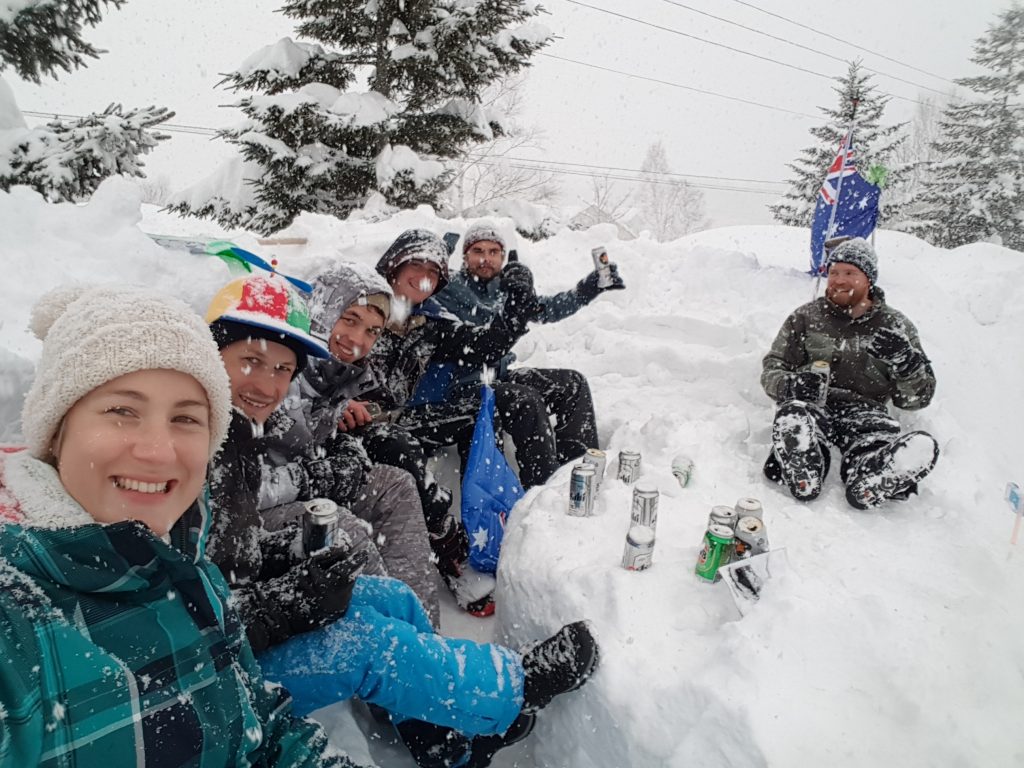
Japan’s winter season, from mid-December to late February, is a dream for snow sports lovers, with Niseko offering some of the best snow conditions in the world. Its light, fluffy powder snow is perfect for skiing and snowboarding, and the variety of slopes ensures every skill level is catered to.
Beyond skiing, Niseko comes alive with winter festivities, from Christmas and New Year’s fireworks to après-ski gatherings. Night skiing adds another layer of excitement, while snowshoeing through the serene landscapes offers a quieter winter adventure. Ramat Niseko’s comfortable lodges, ski storage, and shuttle services make every ski holiday seamless and enjoyable.
Notable Events and Activities:
- Ski Season Highlights: Niseko United Resorts, Rusutsu Resort, Kutchan Town après-ski (December-February)
- Winter Festivals: Niseko Winter Fireworks, Sapporo Ski Marathon, Otaru Snow Light Path
- Winter Adventures: Night skiing, snowshoeing, and onsen soaking after a day on the slopes
Final Thoughts: Choosing the Best Time to Visit Japan
Japan’s seasonal diversity ensures that every traveler finds something to love, whether it’s the natural beauty of cherry blossoms and autumn leaves, the thrill of outdoor adventures, the richness of cultural experiences, the delight of seasonal cuisine, or the excitement of winter sports.
Ramat Niseko provides the perfect winter retreat, offering warmth, convenience, and access to Niseko’s renowned slopes. Start planning your trip and discover the best months to visit Japan and make the most of your adventure!